
Pest library
Identify Common Toronto Pests
Use the Toronto pest library to compare signs of ants, cockroaches, mice, rats, wasps, bed bugs, carpet beetles and spiders before requesting an inspection. These pages are a practical starting point for homeowners, tenants, landlords and business managers, not a final diagnosis from a photo alone.
Where pests show up at home
Explore the rooms where Toronto pest problems usually begin
Most pest control calls start with a pattern: a sound in the basement, activity near kitchen appliances, marks around a mattress, trails along a patio door or wasps returning to the same eave. Use this interactive home map to connect common Toronto pests with the places they are most likely to hide, nest or travel.
When to request help
Repeated activity matters more than a single guess
If sightings repeat, spread between rooms, affect kitchens or sleeping areas, involve stinging insects near entrances, or create concern in a condo or commercial property, an inspection is safer than guessing from appearance alone. The right pest identification can change treatment, preparation and prevention steps.
Browse the pest library
Identification guides for common Toronto pests
Each pest guide explains what the pest looks like, where it is usually found, which warning signs matter and when a licensed pest control inspection is the next sensible step for a Toronto home, condo, rental property or business.
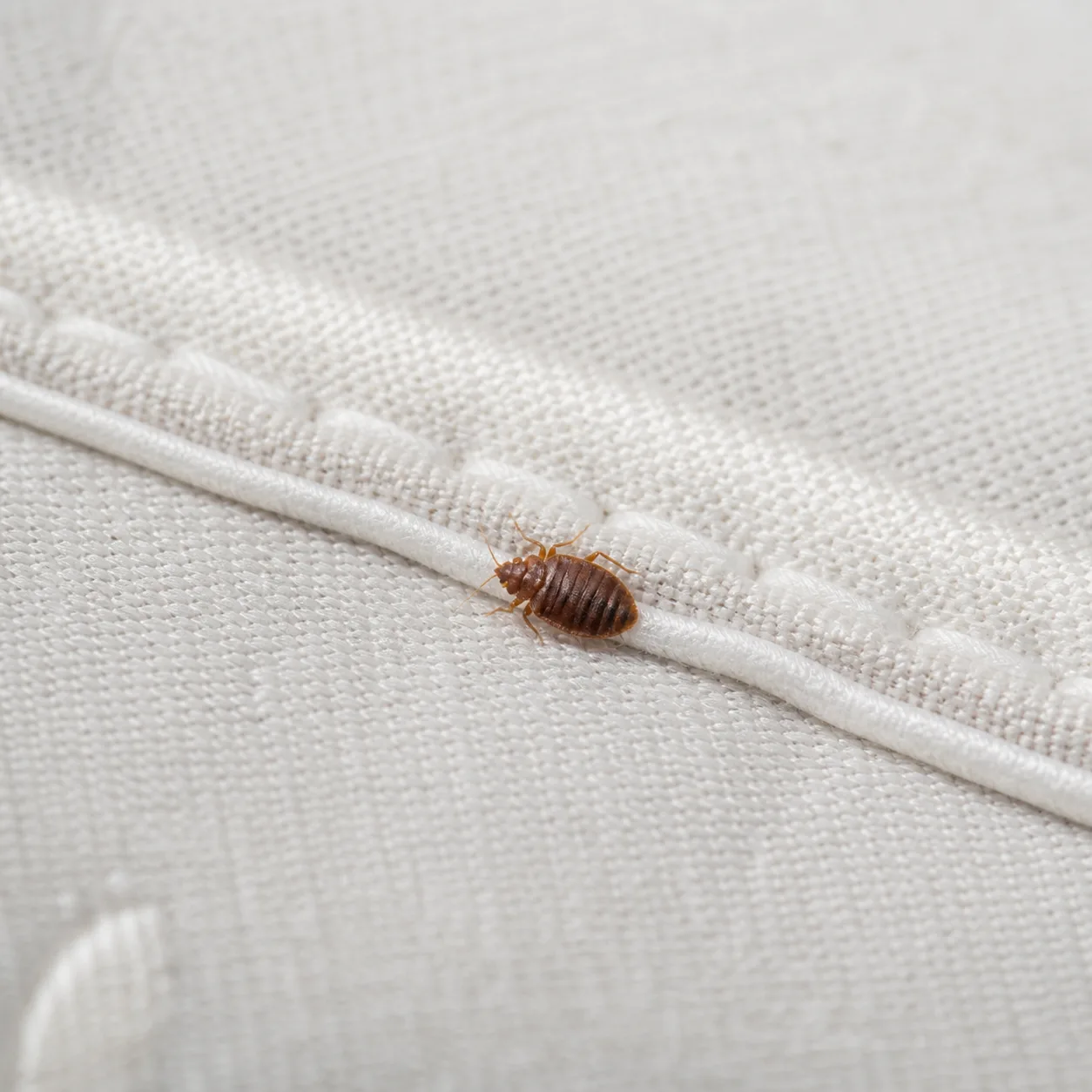
Bed Bug
Bed bugs can leave bites, spotting, shed skins or live insects near beds, sofas, recliners and luggage. Because other small insects can be mistaken for bed bugs, Toronto bed bug concerns should be confirmed with careful inspection before major preparation or disposal.
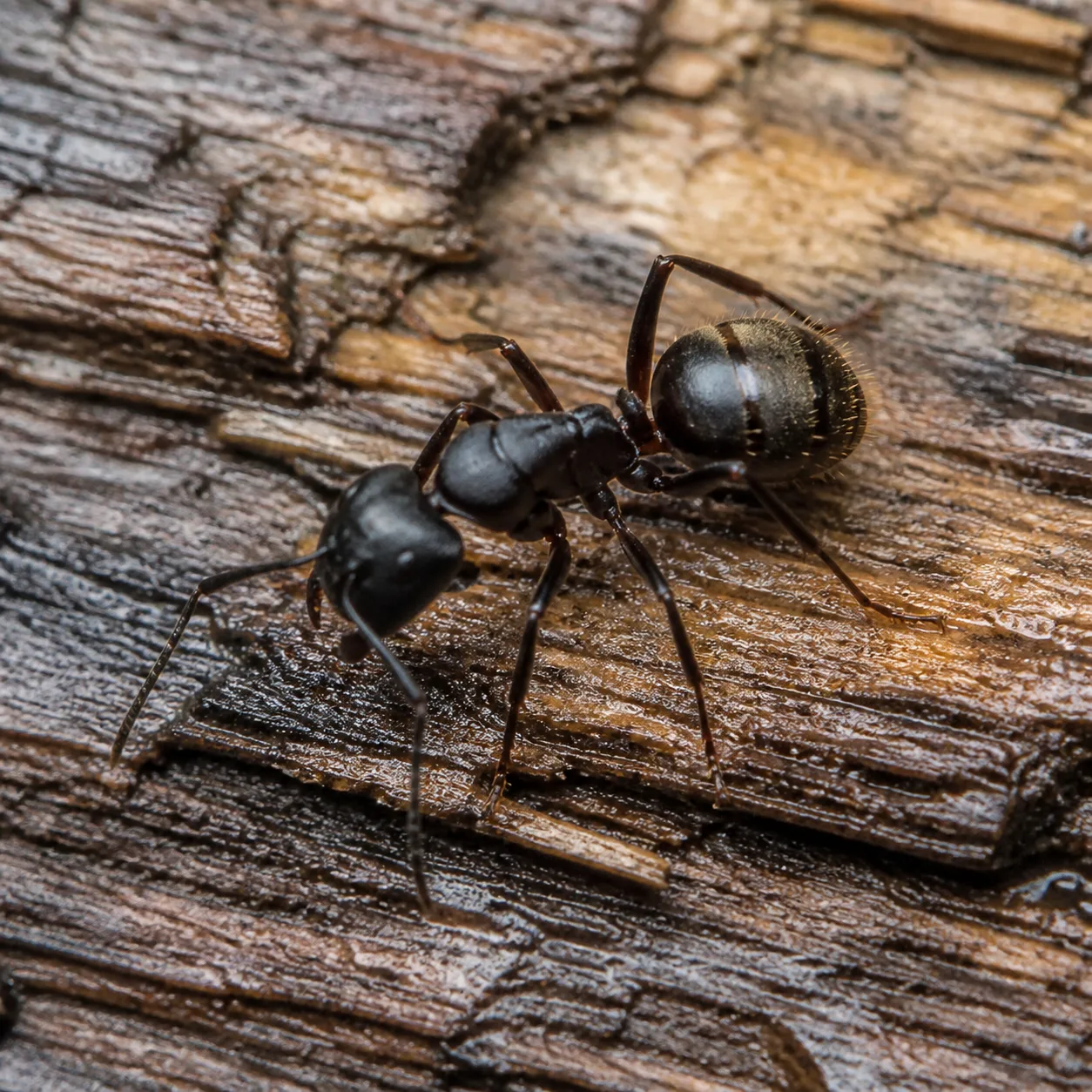
Carpenter Ant
Large black ants in Toronto homes can be linked to damp wood, window framing, roofline leaks, deck structures or nearby outdoor nesting activity. Identification should consider size, trail direction, moisture and any sawdust-like frass before treatment is selected.
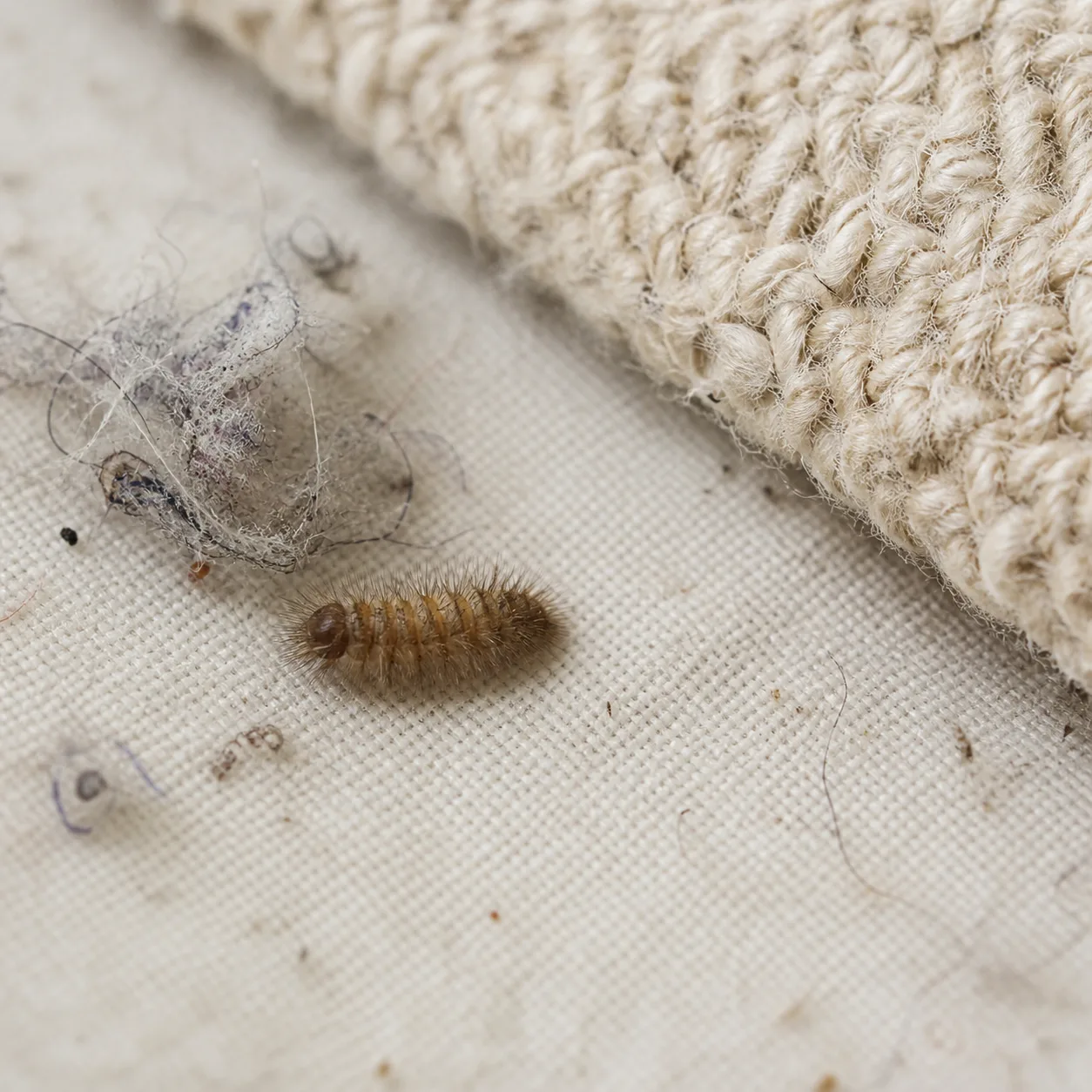
Carpet Beetle
Carpet beetle larvae can appear near wool, lint, pet hair, stored textiles, baseboards and closets. They are often confused with bed bug evidence, so identification should compare larvae, shed skins, fabric damage and room location.
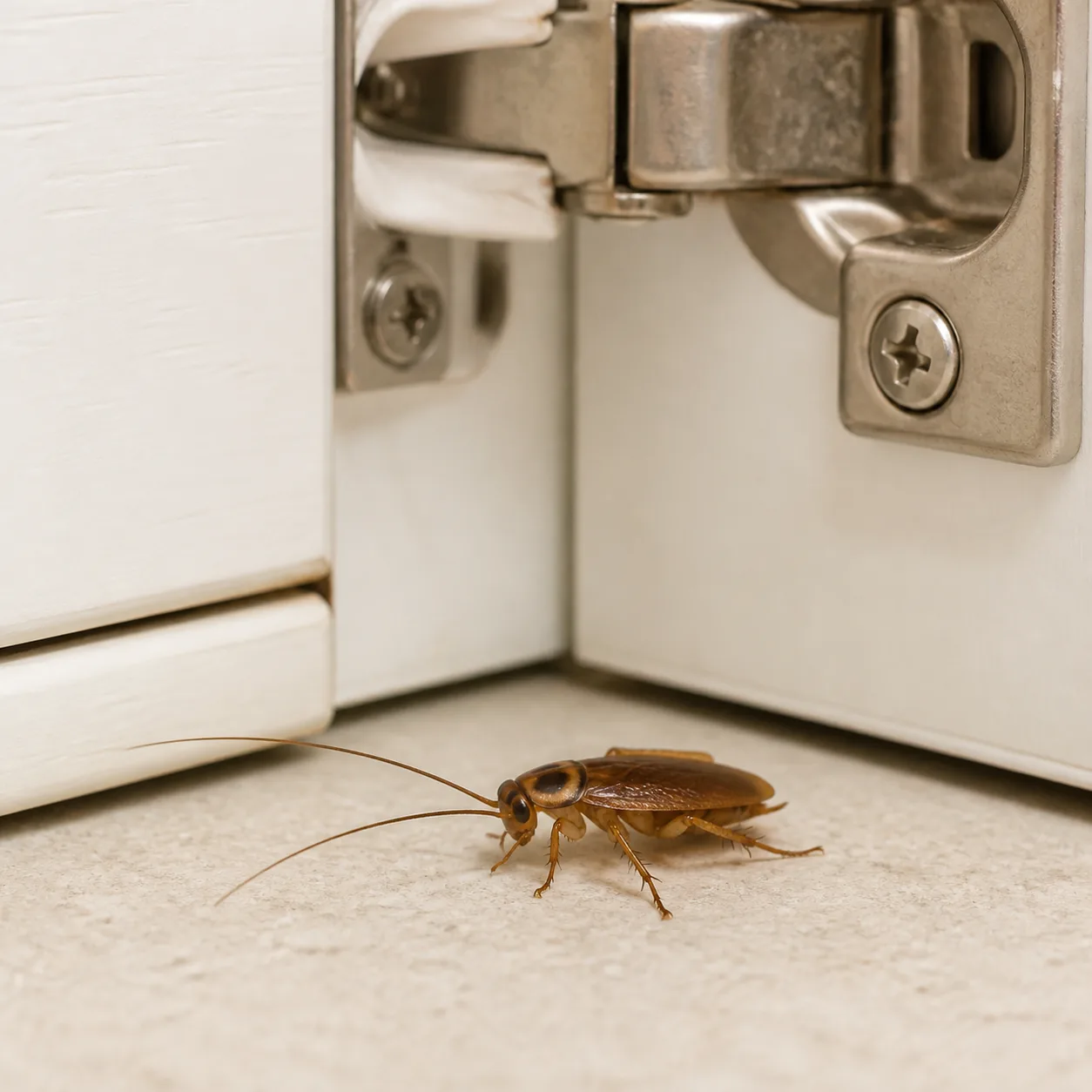
German Cockroach
German cockroaches reproduce quickly and are often associated with Toronto kitchens, condos, restaurants, shared walls and warm appliance areas. Small sightings can still matter because hidden harbourage may sit behind cabinets, hinges, motors or plumbing gaps.
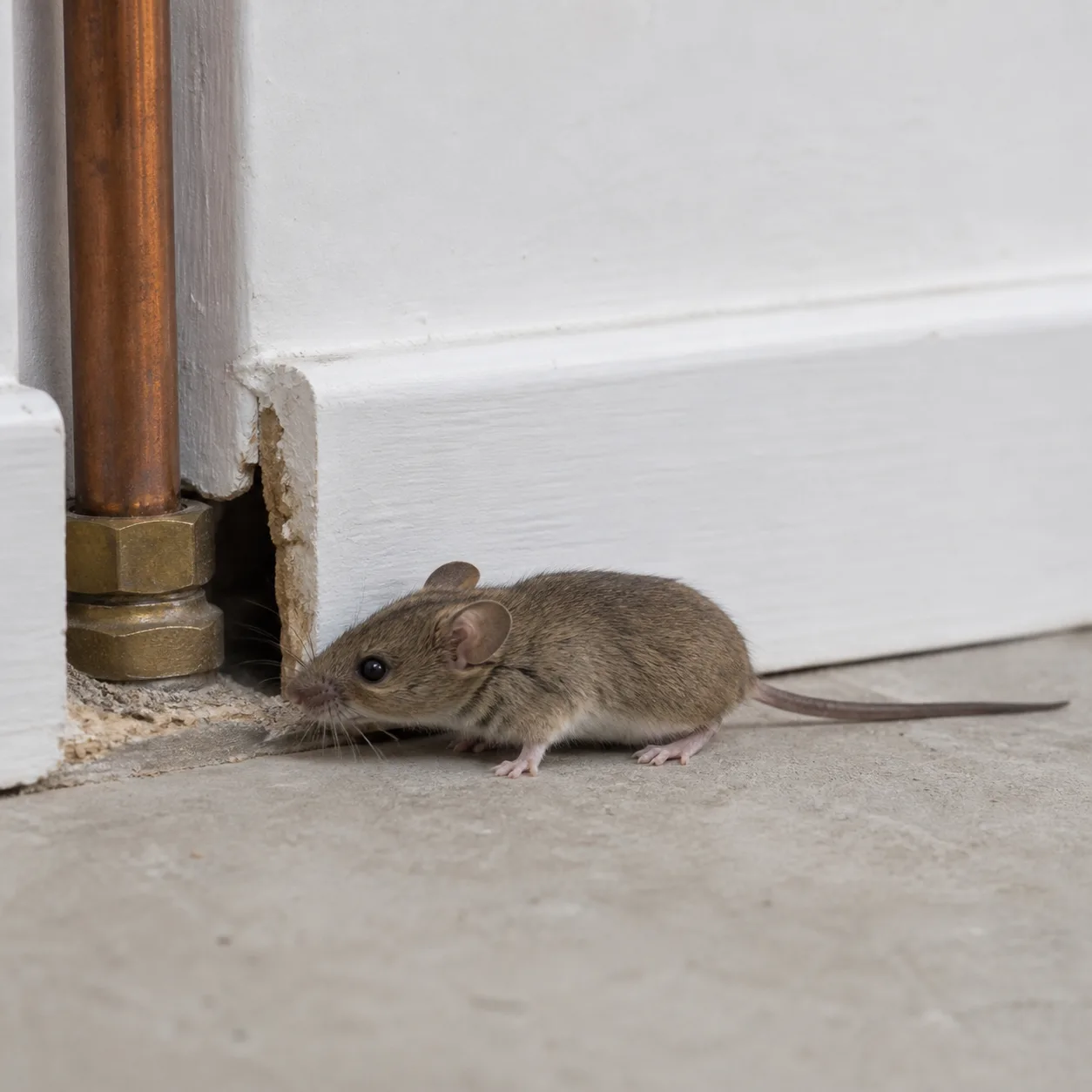
House Mouse
House mice can enter through very small gaps and leave droppings near food, storage, utility lines, basements, garages and condo kitchen cabinets. Toronto rodent identification should look at droppings, sounds, travel routes and building access points together.
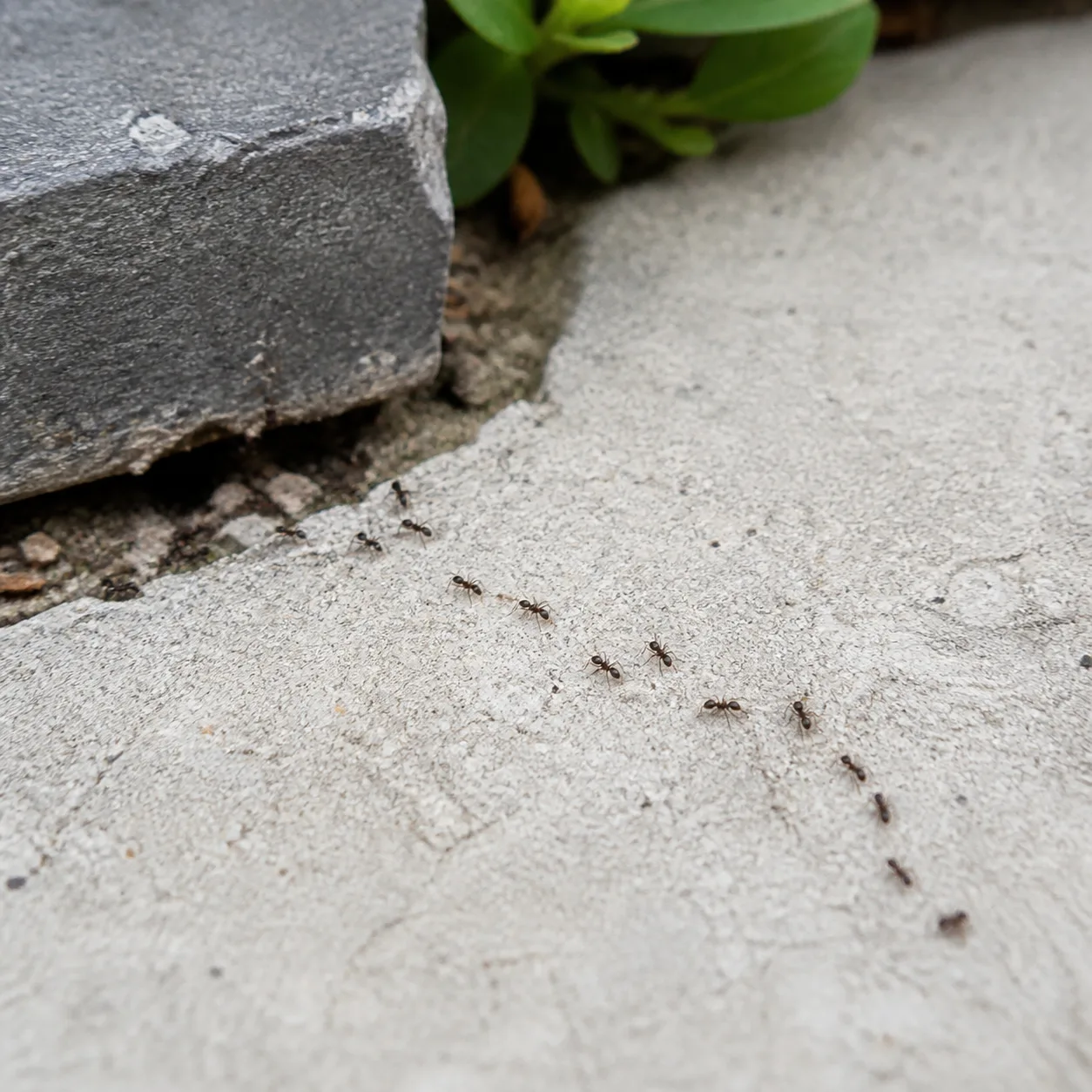
Pavement Ant
Pavement ants are small ants often seen near foundation edges, driveways, patios, sidewalks and kitchen entry points. In Toronto properties, warm weather, exterior cracks and sweet or greasy food sources often influence indoor trails.
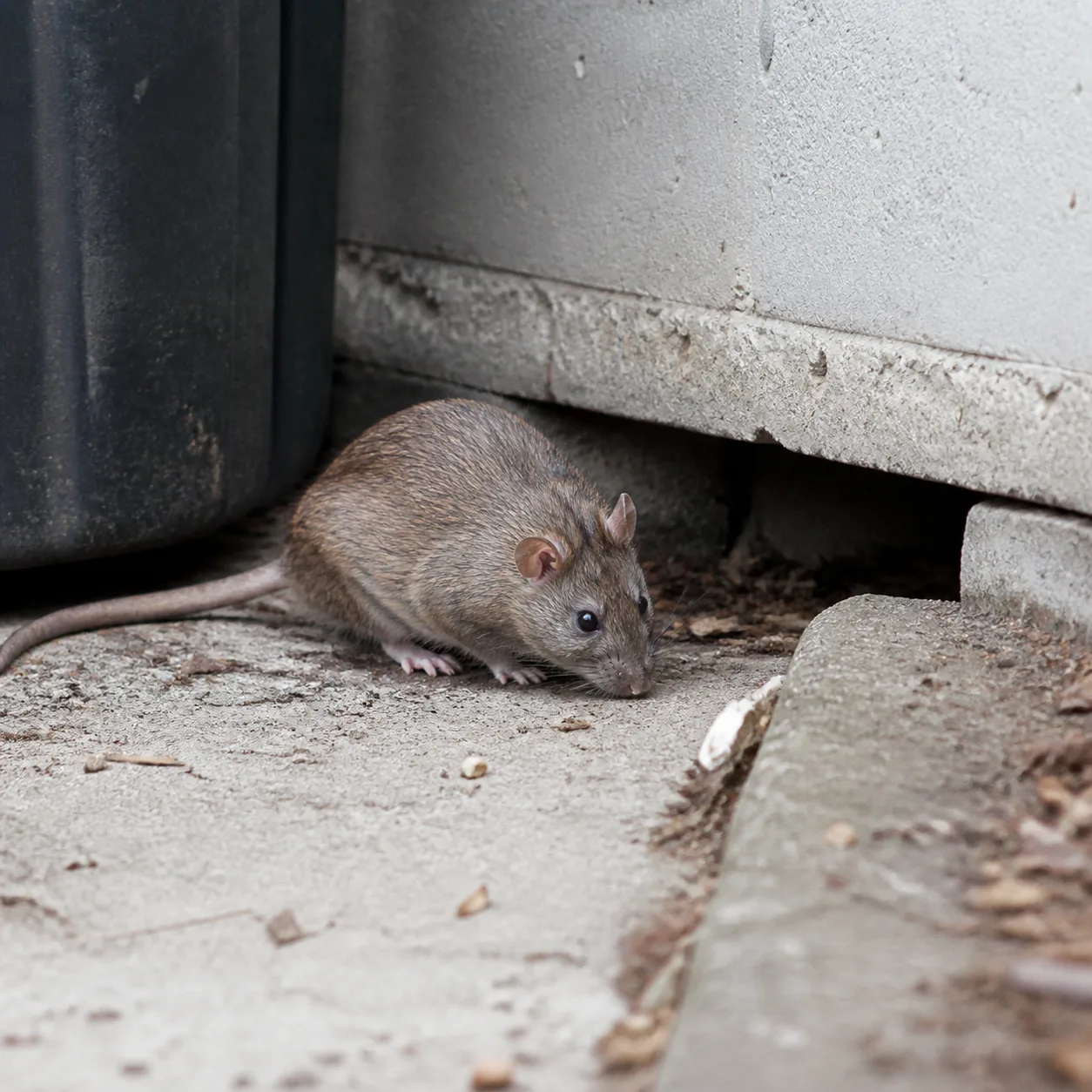
Rat
Rat activity may show as larger droppings, burrows, gnaw marks, grease rubs, outdoor waste pressure or movement near laneways and commercial garbage areas. Toronto rat control usually depends on exterior conditions as much as indoor evidence.
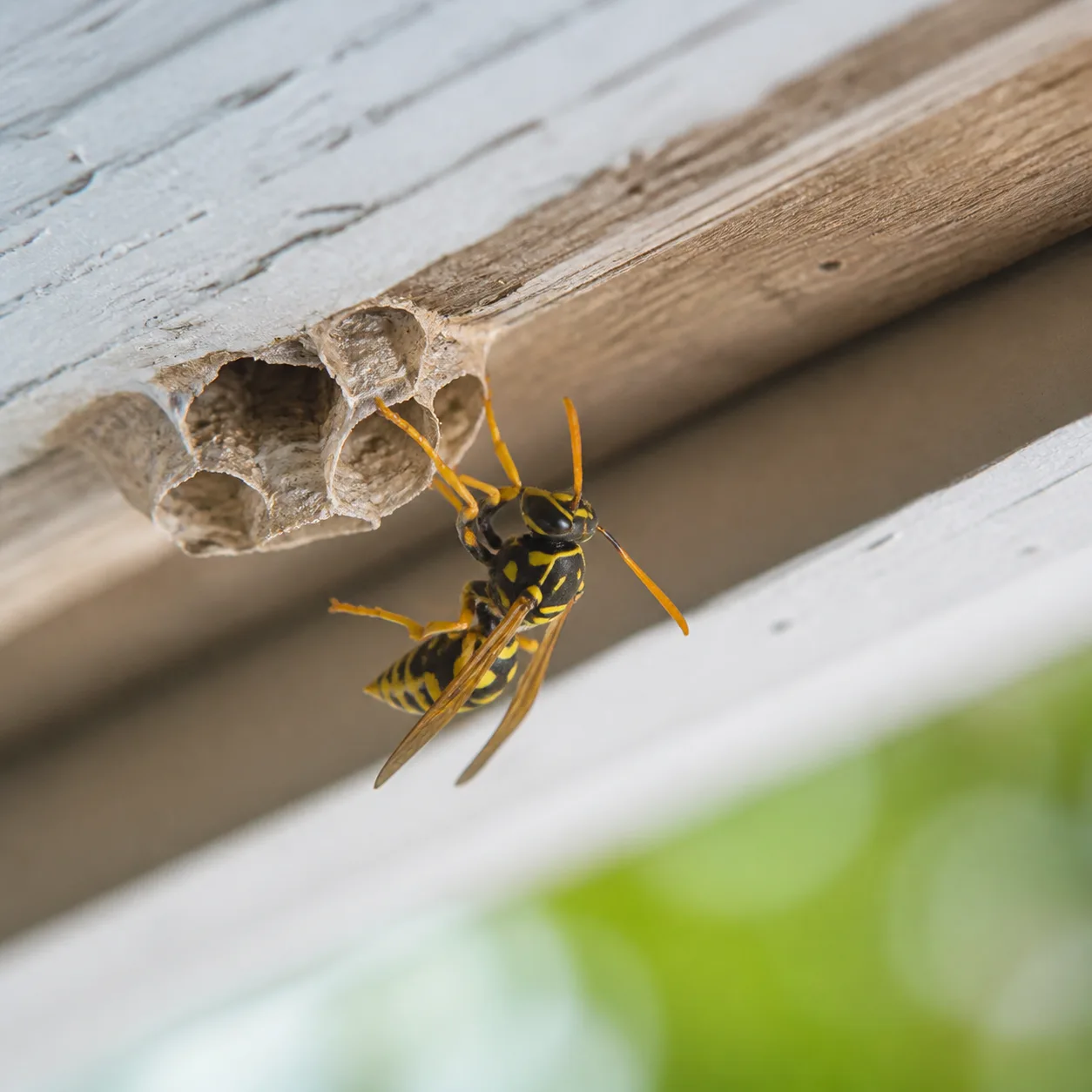
Wasp
Wasps create seasonal flying insect pressure around Toronto eaves, decks, sheds, fences, wall voids, patios and outdoor dining areas. A repeated flight path usually matters more than one insect because it can point to an active nest entrance.